
An Outdoor Enclosure is a protective housing designed to safeguard electrical, electronic, or communication equipment from environmental conditions such as rain, dust, sunlight, temperature fluctuations, and physical impact. These enclosures are widely used in industries like telecommunications, power distribution, security systems, and industrial automation.
Key Functions
Outdoor enclosures are built to:
- Protect internal components from water, dust, and corrosion
- Shield equipment from UV exposure and extreme temperatures
- Prevent unauthorized access or tampering
- Extend the lifespan and reliability of installed devices
Common Materials
Depending on application needs, outdoor enclosures are typically made from:
- Aluminum (especially die-cast or extruded) – lightweight, corrosion-resistant, and excellent for heat dissipation
- Stainless steel – strong and highly resistant to harsh environments
- Plastic (ABS/Polycarbonate) – cost-effective and suitable for lighter-duty applications
Protection Ratings
Most outdoor enclosures follow international standards such as IP (Ingress Protection) ratings. For example:
- IP65: Dust-tight and protected against water jets
- IP66/IP67: Higher levels of water resistance for more demanding environments
Typical Applications
Outdoor enclosures are essential in:
- Telecom base stations and 5G equipment
- RFI (Radio Frequency Interference) systems
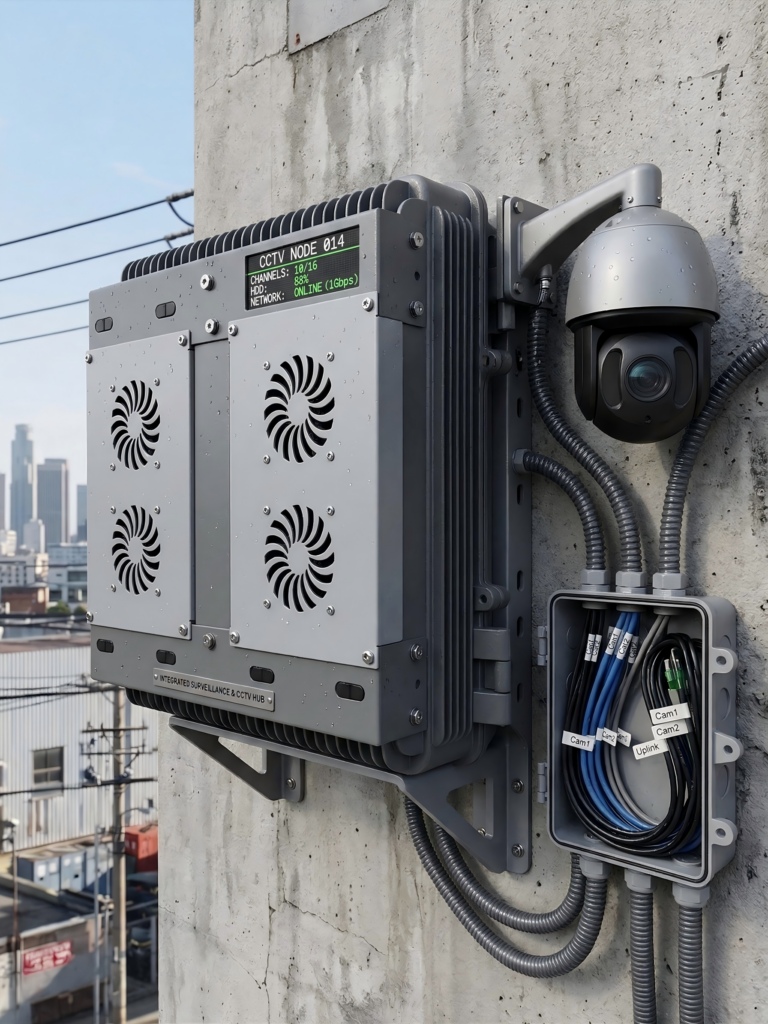
- CCTV and surveillance installations
- Solar power and renewable energy systems
- Industrial control panels
Optional Features
To meet specific project requirements, outdoor enclosures may include:
- Sunshades or rain hoods for thermal protection
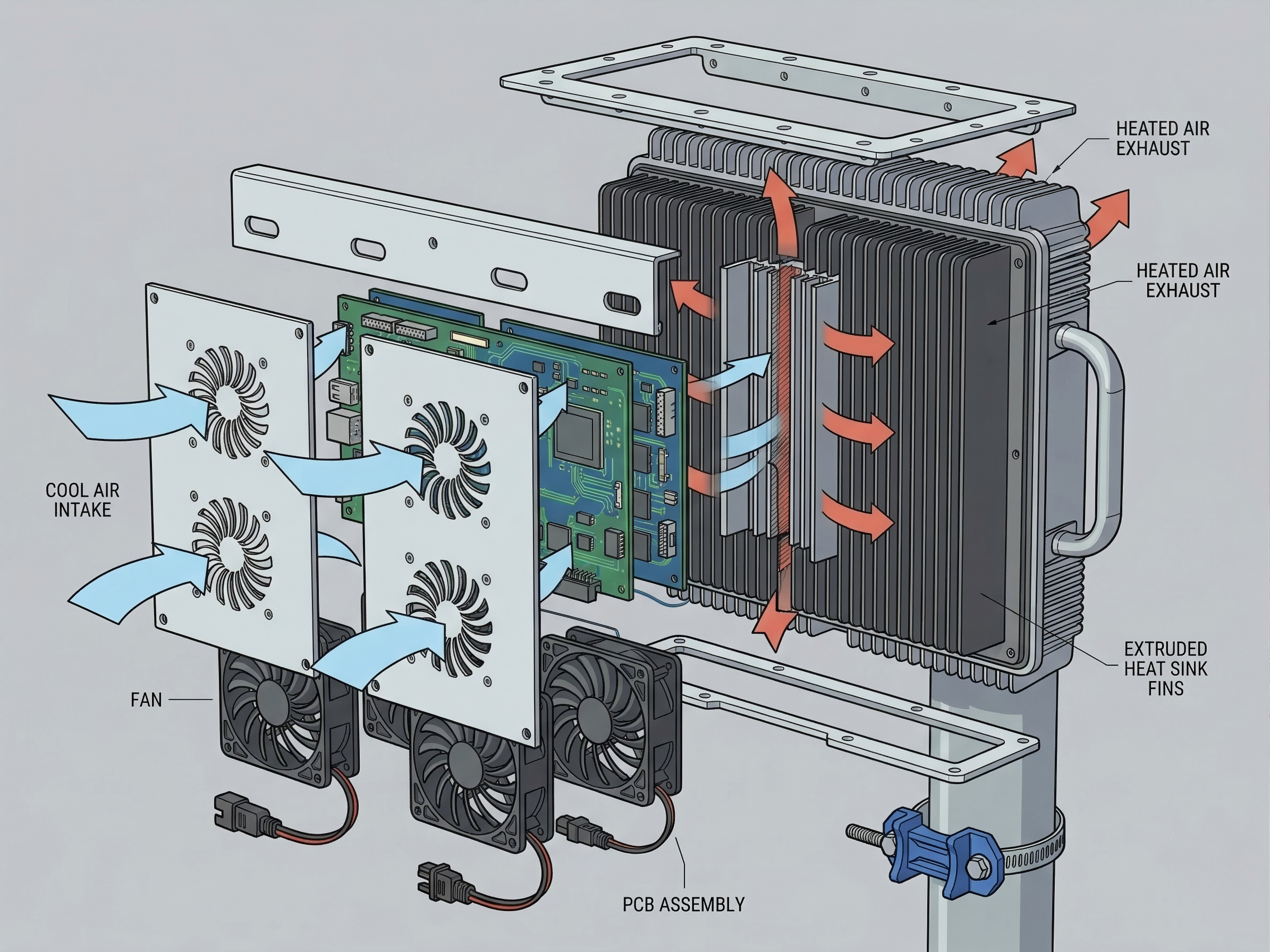
- Ventilation or cooling systems (fans, heat sinks)
- Mounting accessories (pole/wall brackets)
- Cable entry glands and sealing systems
Why Outdoor Enclosures Matter
Without proper protection, sensitive equipment can quickly fail due to moisture, dust, or overheating. A well-designed outdoor enclosure ensures stable performance, reduces maintenance costs, and improves overall system durability.